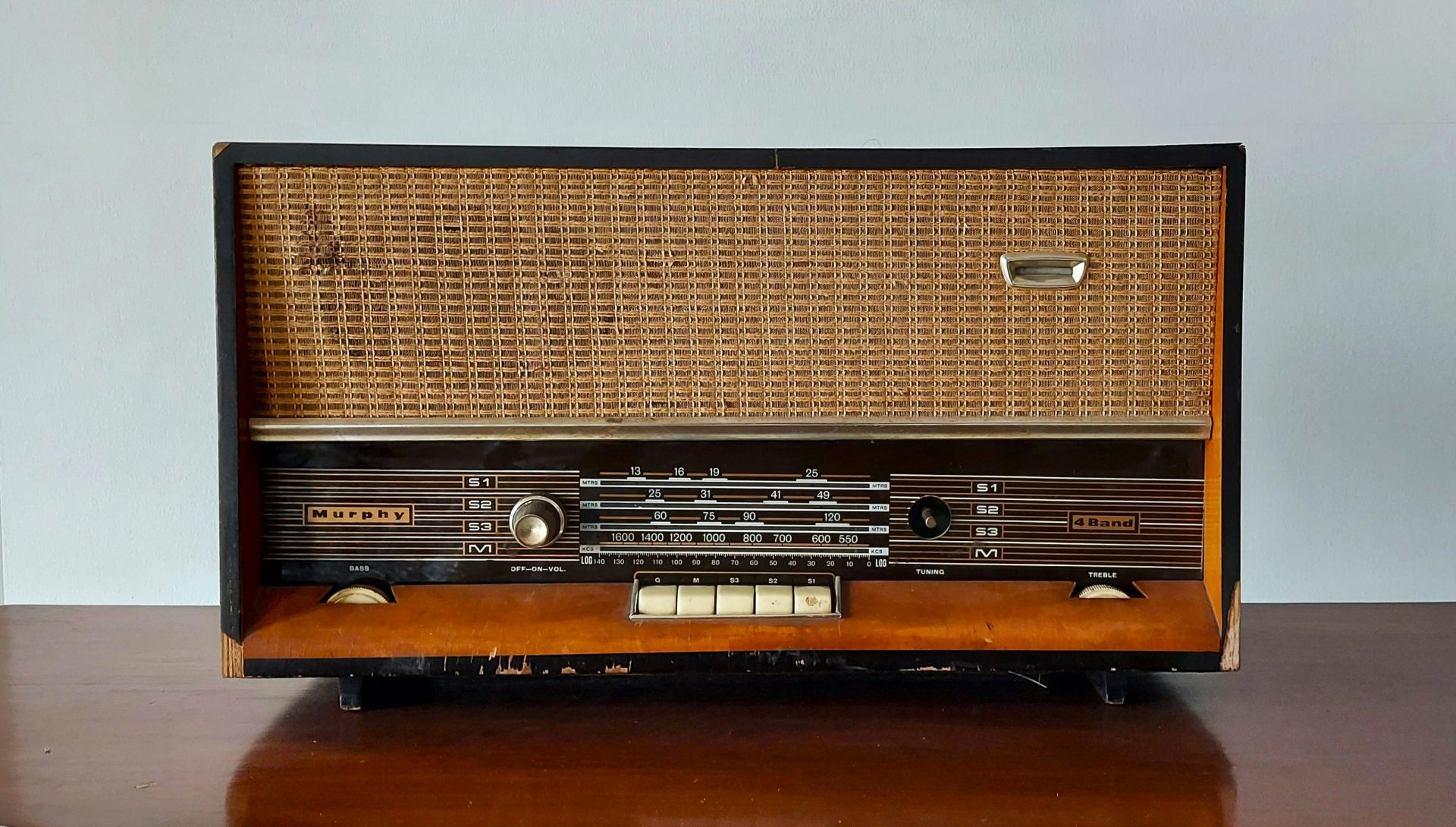
Before the television set took its place of honor against the living room wall, familiar voices and shows came into the room via the radio. It served as the centerpiece of the American home.
In the 1930s and 40s, the radio console stood like a piece of fine furniture, with polished wood, and a glowing amber dial. The whole family arranged themselves around it the way families would later arrange themselves around the TV. But there was something different about the radio. Something that required a little more of you.
You had to listen. You had to imagine.
When The Lone Ranger thundered across the airwaves, or Orson Welles sent a nation into a panic with his War of the Worlds broadcast, or Franklin Roosevelt sat down for a Fireside Chat, Americans felt it together, in real time. The radio connected living rooms in rural Kansas to apartments in Brooklyn. For a few hours each evening, the whole country was tuned to the same frequency.
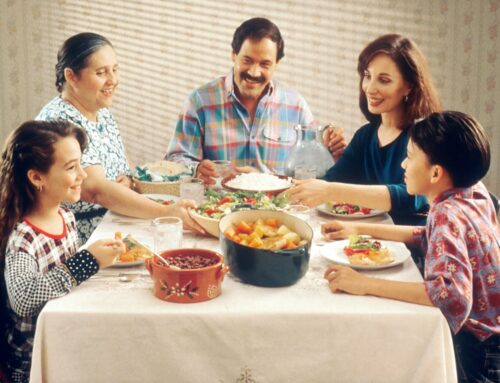
Families had their rituals. Dad in his chair. Mom with her mending. Kids sprawled on the floor. You had your choice of comedy, drama, news, or sporting events. The picture in your head was what you had to work with.
There’s a reason that older generations remember those evenings so fondly. The room was full. Nobody was distracted. Everyone was present. It fostered a stronger family bond and a sense of home.
That sense of home is something worth hanging onto for seniors.
Stay In Your Home Longer With RampNOW
RampNOW takes a great sense of pride in helping seniors to age in place within their homes, so they can stay where they’ve built decades of family memories. Take a look at the wheelchair ramps and stair lifts that we offer today!